The lesson is this: ambition is unlimited, while real possibilities never are; in going beyond them you fall. Simone W
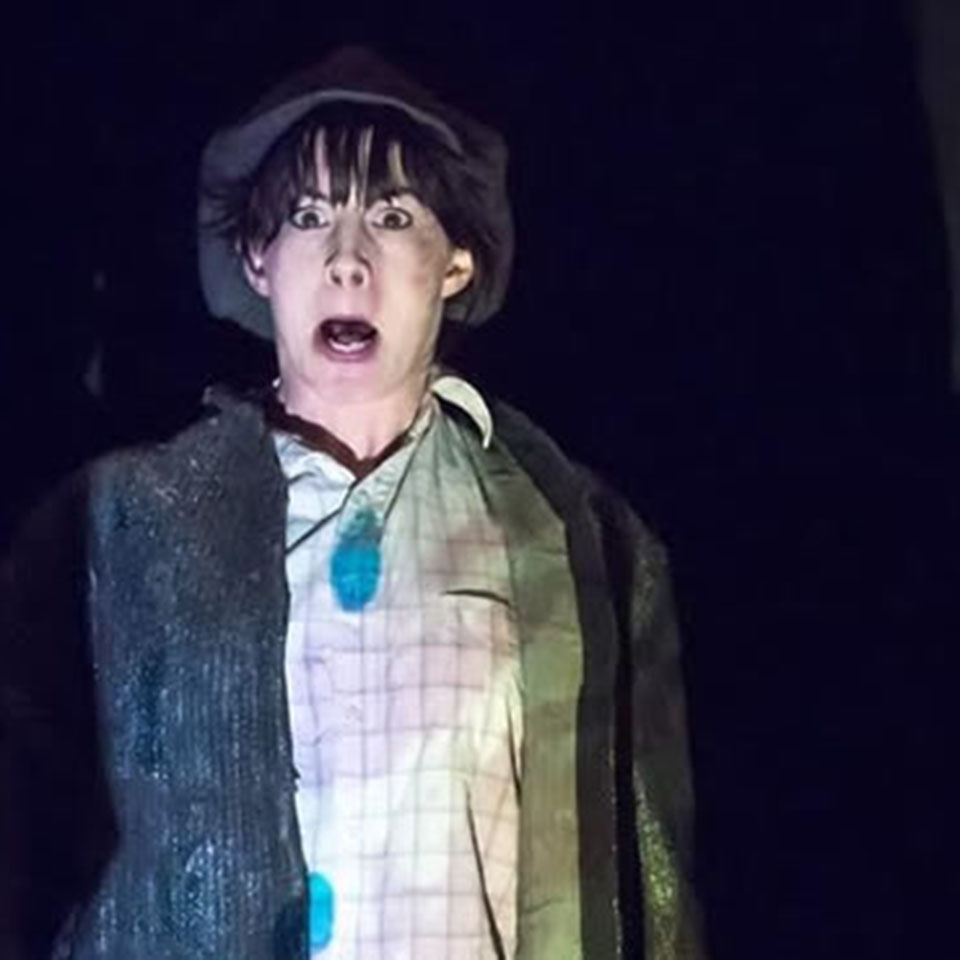
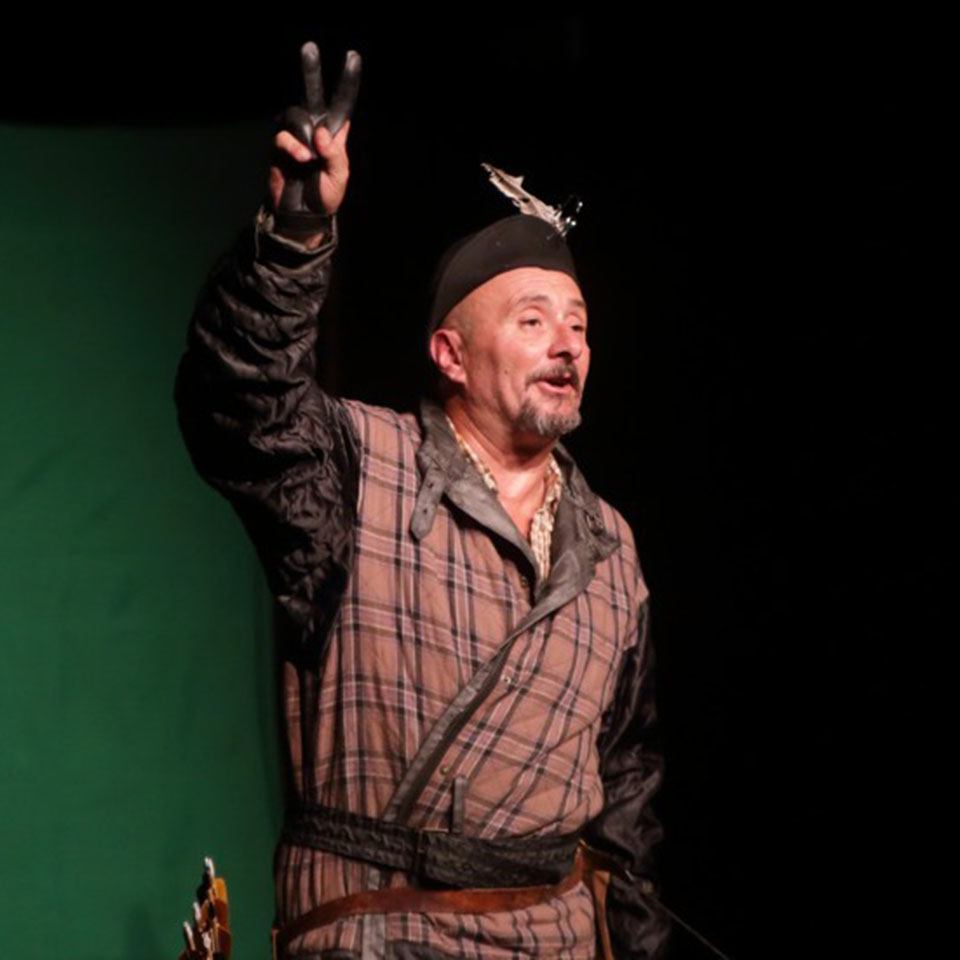
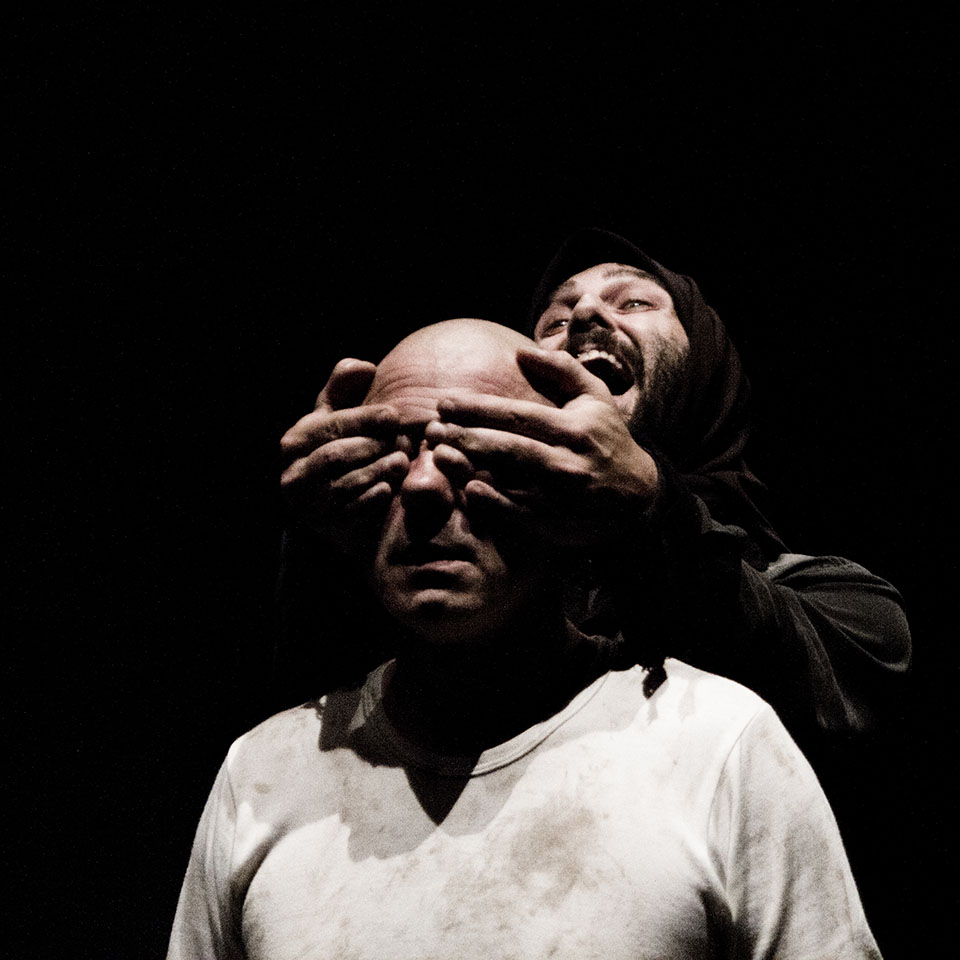
Shakespeare’s Macbeth recited in Sardinian and, as in the purest Elizabethan tradition, performed by men only. The idea was born during a photographic reportage among the carnivals of Barbagia. The dark sounds produced by cowbells and ancient instruments, the animal skins, the horns, the cork. The power of gestures and voice, the familiarity with Dionysus and at the same time the incredible formal precision in the dances and songs. The dark masks and then the blood, the red wine, the forces of nature tamed by man. But above all the dark winter. The analogies between Shakespeare’s masterpiece and the types and masks of Sardinia are surprising. The Sardinian language does not limit the enjoyment but transforms into song what in Italian would risk declining to literature. An empty stage space, crossed by the bodies of the actors who draw places and evoke presences. Stones, earth, iron, blood, warrior poses, residues of ancient Nuragic civilizations. Matter that does not convey meanings, but primordial forces that act on those who receive them. (Alessandro Serra)
Shakespeare’s Macbeth, performed in Sardinian and, in the pure Elizabethan tradition, by an all-male cast. The idea originated in the course of Serra’s photographic coverage of the carnivals in Sardinia’s Barbagia region. The gloomy sounds of cowbells and ancient instruments, the animal skins, the horns, the cork. The power of the gestures and of the voice, the kinship to Dionysius and, at the same time, the incredible formal precision of the dances and chants. The sullen masks, and the blood, the red wine, the forces of nature tamed by man. But most of all the dark winter. Surprising are the number of analogies between the Shakespearian masterpiece and the variety of masks found in Sardinia.
Deep wisdom enclosed in fairy tales about desires. The fisherman who wants to be lord, then king, emperor, then pope, then God… and finds himself a fisherman. The sublime of this fairy tale is that it is his wife who pushes him.